Best Sugarcane for Making Rum: A Distiller's Guide
The quality of your sugarcane directly impacts your rum's flavor profile. Learn which sugarcane varieties and sources produce the best rum, and how to source premium cane for your distillery.
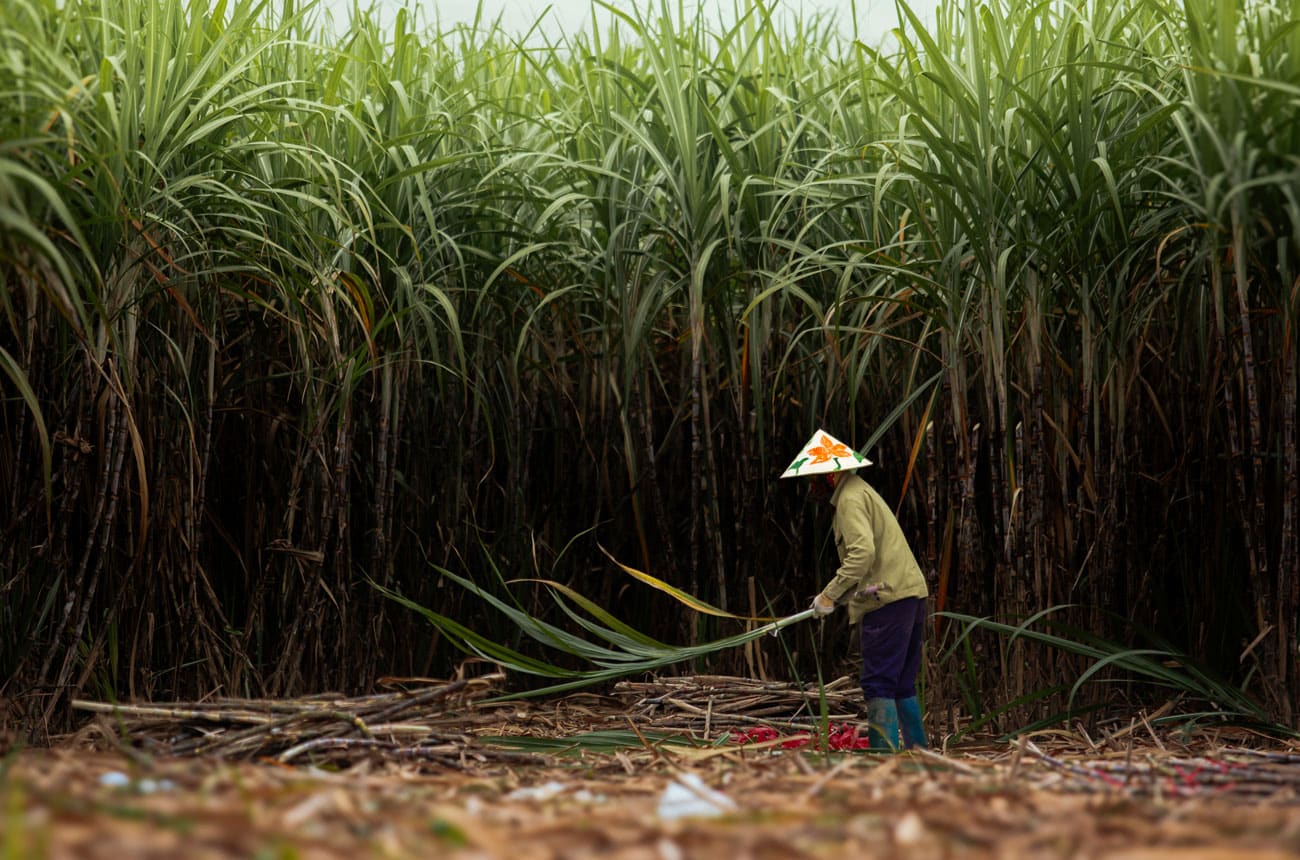
For rum distillers, sugarcane isn't just an ingredient-it's the soul of your spirit. Whether you're crafting agricole-style rum from fresh juice or traditional rum from molasses, the quality of your sugarcane matters enormously. This guide covers everything distillers need to know about sourcing the best sugarcane for rum production.
Understanding Rum Production Methods
Before discussing sugarcane, let's clarify the two main rum production approaches:
Traditional Rum (Molasses-Based):
- Made from molasses (byproduct of sugar refining)
- Most common method globally
- Less dependent on fresh sugarcane quality
- Darker, richer flavor profiles
Rhum Agricole (Fresh Juice):
- Made directly from fresh sugarcane juice
- Protected designation in Martinique
- Terroir-driven flavor profiles
- More dependent on sugarcane quality
Cachaça (Brazilian):
- Must be made from fresh sugarcane juice
- Single distillation typically
- Grassy, vegetal characteristics
- Similar cane requirements to agricole
For this guide, we'll focus primarily on fresh juice production, though many principles apply to all methods.
What Makes Great Sugarcane for Rum?
Sugar Content (Brix)
Higher brix = more fermentable sugar = higher yield
Ideal Range for Rum:
- Minimum: 16% brix
- Optimal: 18-22% brix
- Premium: 20%+ brix
Impact on Production:
- Higher brix means more alcohol per gallon of juice
- Better sugar content often correlates with better flavor
- Lower brix requires more cane per batch
Flavor Profile
Different sugarcane varieties produce different flavors:
Noble Canes (Saccharum officinarum):
- Complex, nuanced flavors
- Floral and grassy notes
- Preferred for premium agricole
- Lower yields but superior taste
Hybrid Varieties:
- Higher yields
- Often bred for sugar content, not flavor
- Can lack complexity
- Better for volume production
Vietnamese Sugarcane:
- Excellent balance of yield and flavor
- Notes of vanilla, honey, and tropical fruit
- High fermentation potential
- Consistent quality
Freshness
For juice-based rum, freshness is critical:
Optimal Processing Window:
- Within 24 hours of harvest: Ideal
- 24-48 hours: Acceptable
- 48-72 hours: Quality degradation begins
- 72+ hours: Significant flavor loss
Why Freshness Matters:
- Sugars begin converting to acids
- Wild fermentation can start
- Off-flavors develop
- Lower yields
Flash-Frozen Solution:
- Freezing halts degradation immediately
- Maintains "fresh harvest" quality
- Enables year-round production
- Consistent batch-to-batch quality
Cleanliness
Contamination affects fermentation:
Avoid Cane With:
- Mold or fungal growth
- Soil contamination
- Pesticide residues
- Physical damage
Why It Matters:
- Mold produces off-flavors
- Contaminants affect yeast health
- Residues can survive distillation
- Clean cane = clean fermentation
Best Sugarcane Varieties for Rum
For Agricole-Style Rum:
Blue Ribbon Cane:
- Traditional Caribbean variety
- Complex flavor with grassy notes
- Moderate yield
- Increasingly rare
Cane d'Or:
- Martinique standard
- High sugar, distinctive terroir
- Protected designation origin
- Limited availability outside Caribbean
Vietnamese CO 419:
- Excellent balance of sugar and flavor
- Widely available
- Consistent quality
- Great for American craft distillers
For Higher-Volume Production:
ROC 16:
- High yield
- Good sugar content
- Disease resistant
- Consistent availability
NCO 310:
- Commercial standard
- Reliable fermentation
- Good for blending
- Widely available
Sourcing Sugarcane for Your Distillery
Option 1: Local Farms
Pros:
- Fresh cane possible
- Support local agriculture
- Marketing story
- Potential for estate rum
Cons:
- Limited to growing regions
- Seasonal availability only
- Inconsistent quality
- Often not juice-optimized varieties
Option 2: Fresh Cane Distributors
Pros:
- More variety options
- Established supply chains
- Quality standards
Cons:
- Freshness concerns (days in transit)
- High spoilage rates
- Seasonal limitations
- Often poor quality
Option 3: Flash-Frozen Sugarcane
Pros:
- Peak freshness preserved
- Year-round availability
- Consistent quality
- Long storage life
- No seasonal limitations
Cons:
- Requires freezer storage
- Thawing time needed
- Not technically "fresh" (though quality matches)
Why Flash-Frozen Vietnamese Sugarcane?
For craft distillers outside traditional cane-growing regions, flash-frozen Vietnamese sugarcane offers significant advantages:
Quality Advantages:
- Harvested at peak ripeness (18-22% brix)
- Frozen within hours of harvest
- Maintains fresh juice quality
- No degradation during shipping
Practical Advantages:
- Available nationwide
- Qualification orders for small distilleries
- Ships from US warehouse
- Consistent year-round pricing
Production Advantages:
- Predictable fermentation results
- Consistent batch quality
- Reduced waste
- Better yield per dollar spent
Processing Sugarcane for Rum
Receiving and Storage:
Flash-Frozen Cane:
- Store at -10°F or below
- Thaw 24-48 hours before use
- Process within 24 hours of thawing
- Can be thawed in cold water if needed
Fresh Cane:
- Inspect immediately upon receipt
- Reject moldy or damaged stalks
- Refrigerate at 34-38°F
- Process within 24-48 hours maximum
Juice Extraction:
Equipment Options:
- Sugarcane press/mill
- Two-roll or three-roll mills
- Variable extraction rates (60-80%)
Best Practices:
- Clean all equipment thoroughly
- Extract immediately before fermentation
- Filter to remove fiber
- Measure brix and adjust if needed
Typical Juice Specifications:
- Brix: 16-20%
- pH: 5.0-5.5
- Clear, minimal fiber
- Fresh, grassy aroma
Fermentation Considerations
Yeast Selection:
- Distiller's yeast (high alcohol tolerance)
- Wine yeasts (flavor complexity)
- Wild fermentation (traditional, risky)
Key Parameters:
- Temperature: 75-85°F optimal
- Time: 3-7 days typical
- Final gravity: Near 1.000
- Target alcohol: 7-10% ABV
Distillation Notes:
- Pot still: More flavor, lower yield
- Column still: Higher yield, cleaner spirit
- Hybrid: Balance of both
Economics for Craft Distillers
Cost Analysis (per gallon of rum):
Sugarcane Costs:
- Flash-frozen Vietnamese: $15-20 per gallon of juice
- Fresh local (when available): $12-18 per gallon
- Quality-adjusted (accounting for waste): Vietnamese often cheaper
Yield Expectations:
- 1 gallon cane juice ≈ 0.6-0.8 gallons rum (at barrel proof)
- Higher brix = higher yield
- Quality cane = fewer rejects
Total Sugarcane Cost per 750ml Bottle:
- Using Vietnamese flash-frozen: $4-6
- Represents 8-15% of total production cost
- Quality here pays dividends in final product
Getting Started with Juiced Fresh
We work with craft distilleries across America, from garage startups to established operations:
Why Distillers Choose Us:
- Premium Vietnamese sugarcane (18-22% brix)
- Flash-frozen at peak quality
- Ships from Texas warehouse
- Qualification orders for new distilleries
- Flexible ordering as you scale
Sample Program:
- Request samples before committing
- Test fermentation and distillation
- Compare to your current source
- No pressure, no obligation
Technical Support:
- Consultation on sourcing needs
- Help with volume planning
- Connect with other craft distillers
- Ongoing support
Ready to elevate your rum? Contact us for samples and pricing.
Phone/WhatsApp: +1 (201) 920-9678
Published by Juiced Fresh.
Notes from the warehouse, the farm, and the bars we supply. See all Field Notes